Multi-Source Cross-Referencing
Each report is compared across independent databases and expert inputs before publication.

Professionals and enthusiasts turn to Wildlife Wire for clearly sourced, fact-checked news about wildlife and domestic animals. Our process emphasizes transparency and methodical reporting, providing a reliable foundation for staying informed without assumptions.
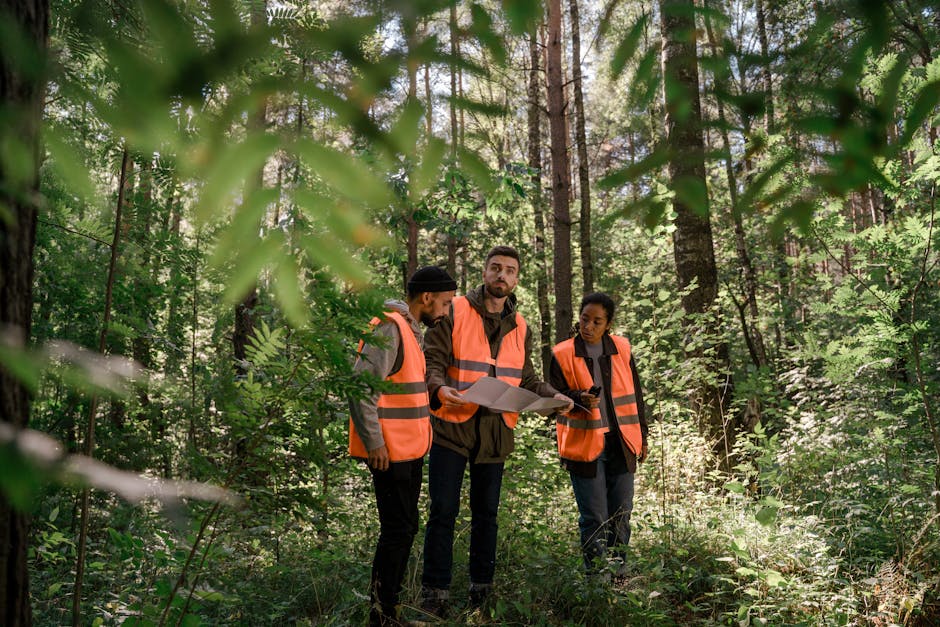
Each report is compared across independent databases and expert inputs before publication.
Links to original studies, agency announcements, and field notes accompany every article.
Biologists, veterinarians, and conservationists evaluate content for factual consistency.
A structured feedback loop allows updates when new data or clarifications emerge.
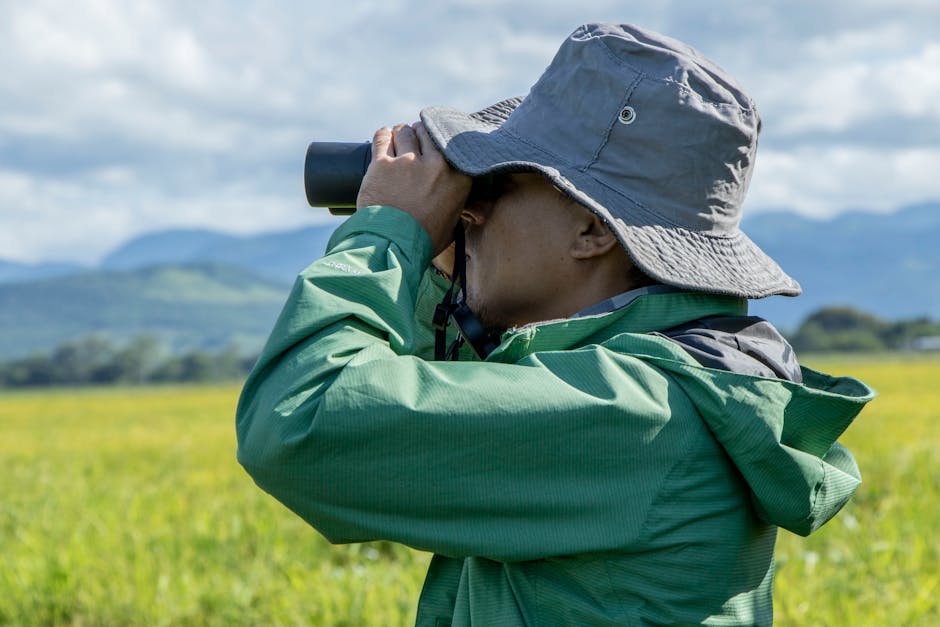
Wildlife Wire was designed to address the need for verifiable, context-rich updates in the animal world. Instead of prioritizing speed, we emphasize process: each article follows a predefined verification workflow that includes fact-checking against peer-reviewed literature, consultation with field experts, and review of official wildlife agency data. Our editorial framework ensures that every piece of information is presented with its source, limitations, and relevance clearly stated. This structure allows professionals—from researchers to zookeepers—to use our content as a reference point, while enthusiasts gain a deeper understanding of how news about animals is validated. We do not claim infallibility; we provide the tools for informed interpretation.
When you rely on Wildlife Wire, you are not simply reading news—you are engaging with a structured system of information gathering. Our team applies consistent criteria: every story is assessed for source reliability, geographic relevance, temporal accuracy, and potential bias. This is not a guarantee of absolute truth, but a method to minimize error and increase context. For example, a report on an endangered species sighting will include the detection method, observer credentials, and whether the data has been peer-reviewed. Professionals can then decide how to weigh the information for their own purposes. Enthusiasts gain clarity about why some reports change over time. This transparency builds a foundation for trust based on procedure, not promises.

Wildlife Wire maintains a network of contributing scientists, wildlife photographers, and local observers who submit raw data or preliminary reports. These inputs undergo a structured editorial review that includes verification of credentials, cross-checking with public databases (e.g., USGS, NOAA, state wildlife agencies), and independent peer assessment. We do not alter findings to fit narratives; instead we preserve uncertainty markers—such as confidence levels or conflicting observations—so readers can evaluate information within its proper context. This approach is especially valued by professionals who need to distinguish between confirmed events and preliminary indications. By focusing on process over persuasion, we enable users to draw their own conclusions based on well-documented material.
Every article on Wildlife Wire includes a methodology note explaining how the information was gathered, who reviewed it, and what sources were consulted. We also publish a detailed editorial policy document that outlines our correction protocols, conflict-of-interest guidelines, and sourcing standards. Visitors can see at a glance whether a piece relies on direct observation, secondary reporting, or model-based predictions. This level of openness allows professionals to assess the reliability of our content for their specific needs, and helps enthusiasts build informed perspectives.
© 2026 Wildlife Wire. All rights reserved.